
Professional Environmental Engineer (PE) | Water & Wastewater Energy Efficiency | Project Management
Ph.D. in Civil and Environmental Engineering
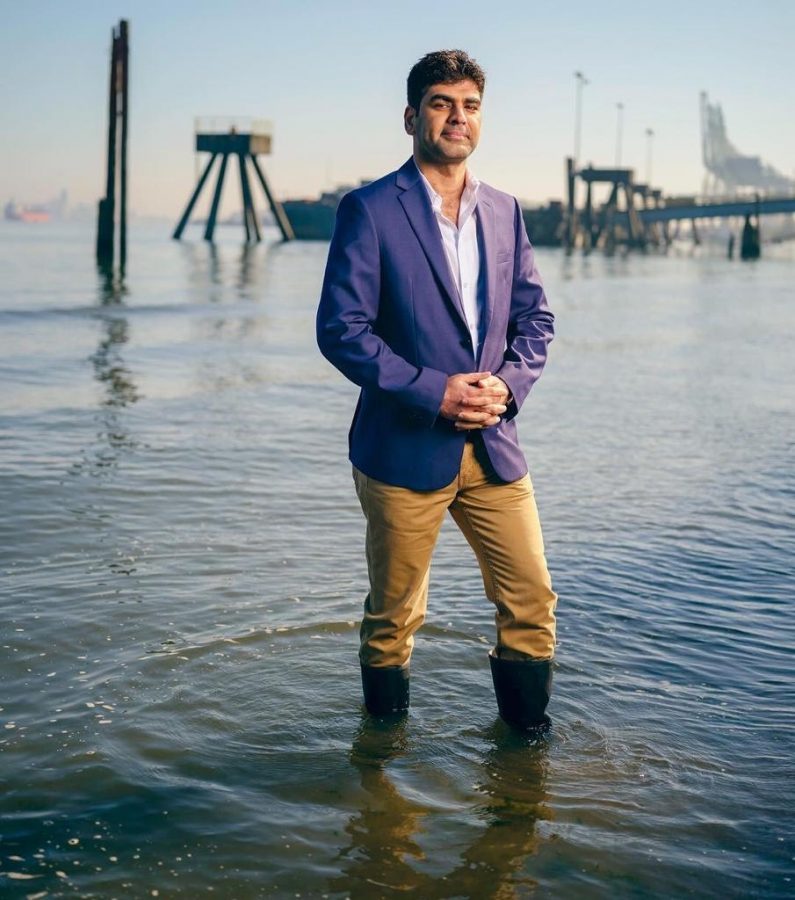
Bashar Al-Daomi is a Professional Environmental Engineer (PE) with a Ph.D. in Civil and Environmental Engineering and more than a decade of experience spanning wastewater treatment, energy efficiency, municipal public works, engineering consulting, applied research, and higher education.
Currently, Bashar serves as a Wastewater Energy Efficiency Engineer with Cascade Energy, supporting wastewater treatment optimization and Strategic Energy Management (SEM) initiatives across the Pacific Northwest. His work focuses on identifying and developing practical energy-efficiency opportunities while maintaining treatment performance, reliability, and regulatory requirements.
His work includes wastewater treatment plant energy treasure hunts, SCADA and operational data analysis, aeration system optimization, process-control evaluation, motor and pumping system assessments, and development of Energy Efficiency Measures (EEMs). He works with treatment plant operators, utility personnel, and engineering teams to evaluate facility energy use, identify operational and capital improvement opportunities, estimate energy savings, and translate process data into implementable recommendations.
Bashar’s technical background combines wastewater process engineering with energy management. His areas of experience include activated sludge systems, aeration and dissolved oxygen control, biological nutrient removal, pumping and mixing systems, UV disinfection, process modeling, facility optimization, and wastewater energy analysis. This combination enables him to evaluate energy efficiency not simply as equipment replacement, but as an interaction among treatment processes, controls, equipment performance, operating strategy, and energy consumption.
Previously, Bashar served as an Engineer II / Project Manager for the City of St. Helens, Oregon, where he managed and supported municipal infrastructure and capital improvement projects. His responsibilities included project coordination, engineering review, document control, development of city specifications and policies, and review of wastewater capacity improvements, pump stations, and other utility infrastructure.
Earlier in his career, Bashar worked with Brown and Caldwell and Jacobs Engineering Group on wastewater engineering and consulting assignments. His work included BioWin, Pro2D2, and AFT modeling; aeration basin evaluations; wastewater pond operations and maintenance documentation; mixing alternatives; facility testing plans; mass balances; technical memoranda; condition assessments; and engineering cost estimates.
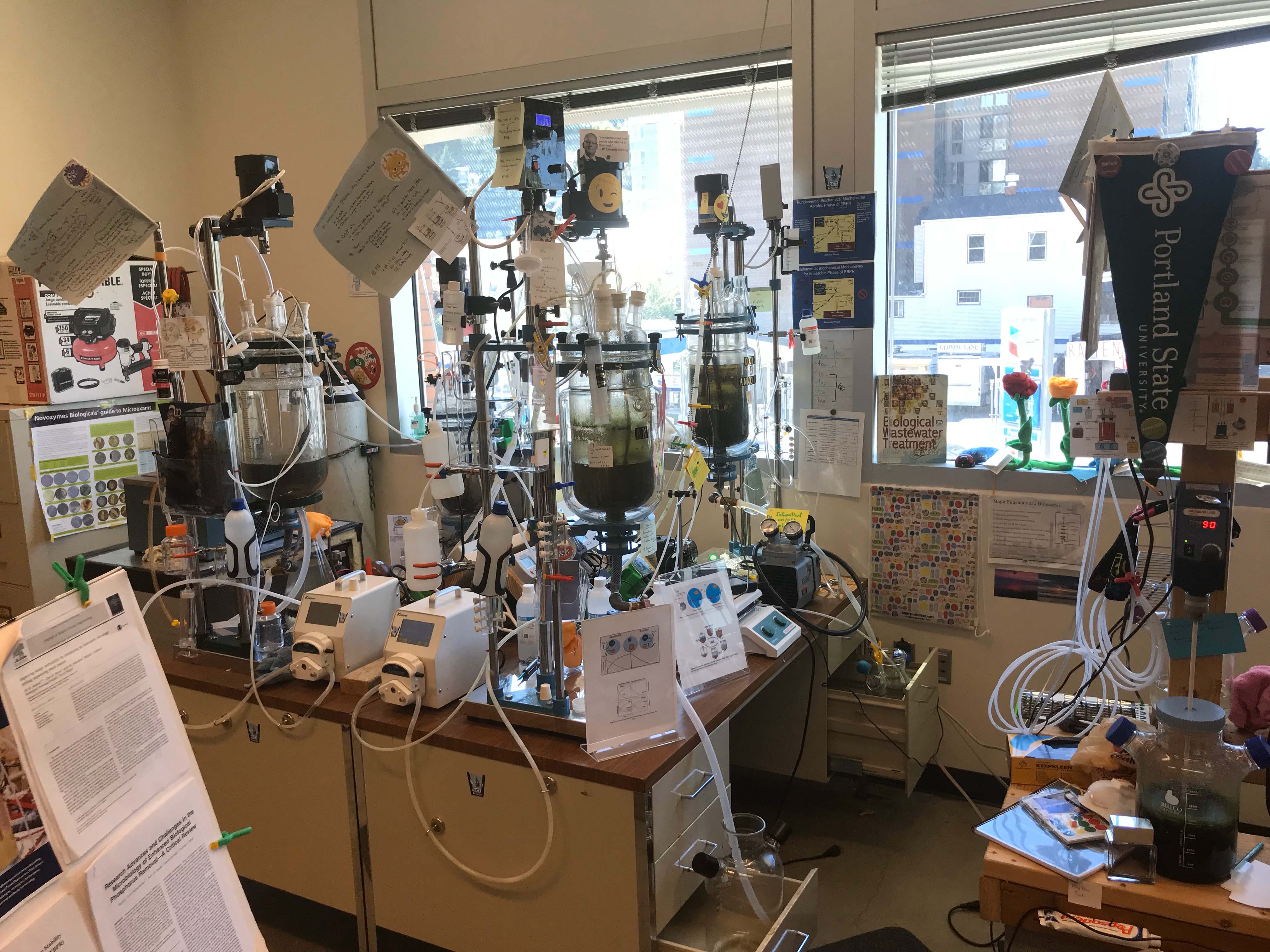
Bashar’s Ph.D. research focused on the integration of Simultaneous Nitrification and Denitrification (SNdN) and Enhanced Biological Phosphorus Removal (EBPR) under low dissolved oxygen conditions. He designed, fabricated, and operated pilot/laboratory-scale biological treatment systems and investigated continuous and cyclic aeration strategies for simultaneous nitrogen and phosphorus removal. This research strengthened his expertise in biological treatment, process optimization, aeration control, experimental design, and translating laboratory findings into practical wastewater applications.
In addition to engineering practice, Bashar has extensive experience in teaching, research, and mentorship. He has taught hundreds of university students and mentored international graduate engineers. He has also contributed to professional organizations including the Water Environment Federation (WEF) and the Pacific Northwest Clean Water Association (PNCWA) through mentoring, technical activities, and professional service.
His professional interests sit at the intersection of wastewater treatment, energy efficiency, process optimization, infrastructure, and applied engineering research, with a particular emphasis on helping water and wastewater utilities improve treatment performance while reducing energy consumption and operating costs.
Bashar Al Daomi’s childhood experiences in Baghdad, Iraq, witnessing the devastating effects of pollution in the Diyala River, have profoundly shaped his career path and dedication to environmental sustainability. As a CEE (Civil and Environmental Engineering) Ph.D. candidate and wastewater process engineer, Bashar has made it his life’s mission to devise innovative solutions for treating wastewater both locally and globally. Read more about my story and career at the featured story at PSU Foundation – A Vital Resource
Connect life’s experience with your research to serve your city
“From Life’s Experience to City’s Service: How Bashar Al Daomi’s Journey Drives Innovative Wastewater Research for Urban Advancement”.
Bashar’s research centers on developing innovative and more efficient ways of treating and reusing wastewater. His interest stems from his life experience growing up in Iraq, where water is a scarce and critical resource, as it is throughout the Middle East and much of the world. Water quality and quantity have emerged as one of the greatest resource issues facing the world, and it is often said that in the near future, conflicts over water may equal or exceed those of any resources. Guaranteeing ample and good-quality water is a cornerstone of civilization and peace. – Associate Prof. Bill Fish
Research
Think, Design, Build and Explore
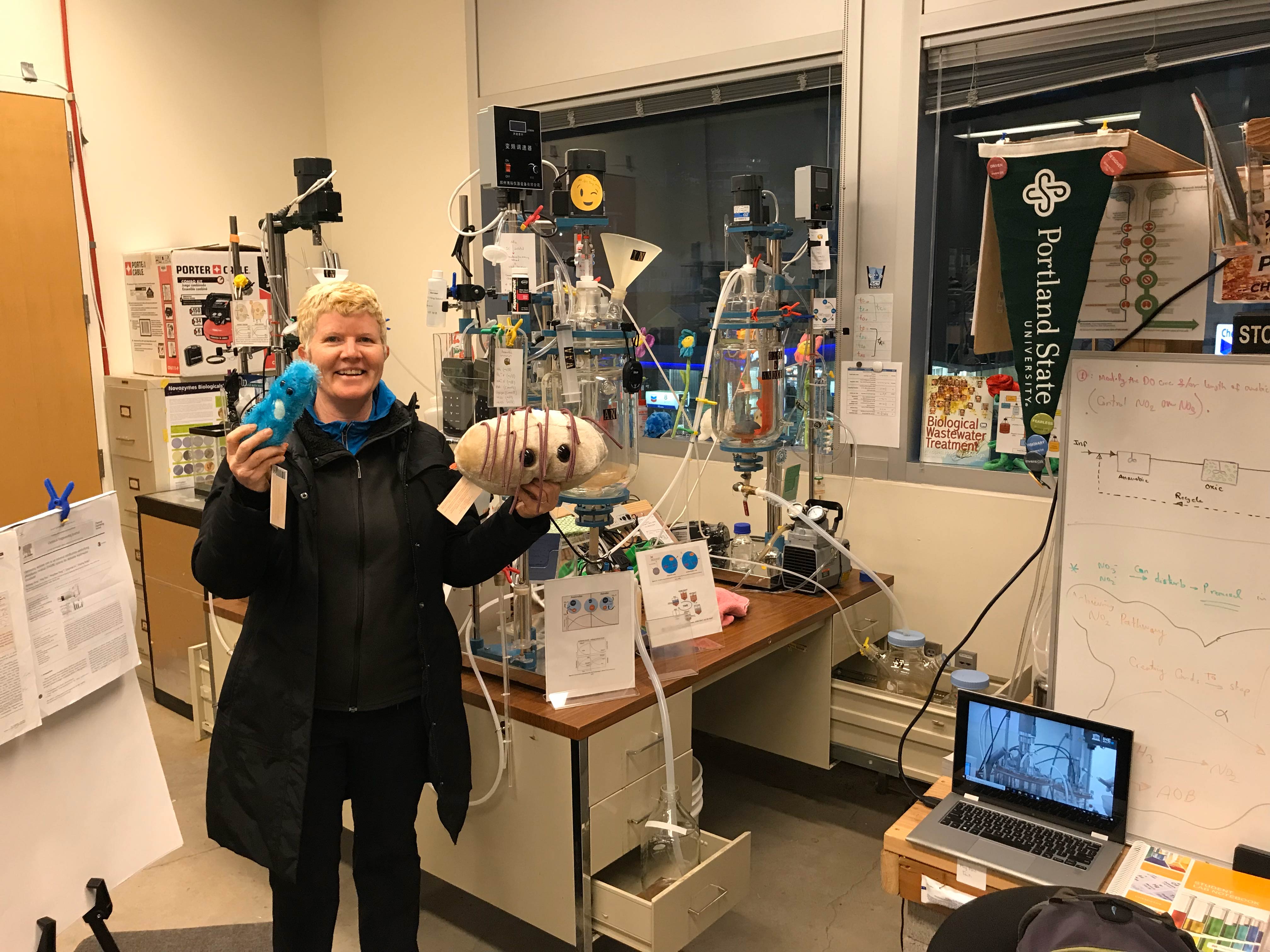
Besides my work as a wastewater process engineer, for my Ph.D dissertation at Portland State University, I’ve designed, built and run innovative lab scale systems to treat wastewater and remove nitrogen and phosphorus. To learn more about my research and professional work, read my resume.
Blog
From time to time I’ll post about my current research in my blog.
Read more at the blog page.
“Nurturing Transformation through Education: Embracing the Transformative Power of Learning in My Journey”
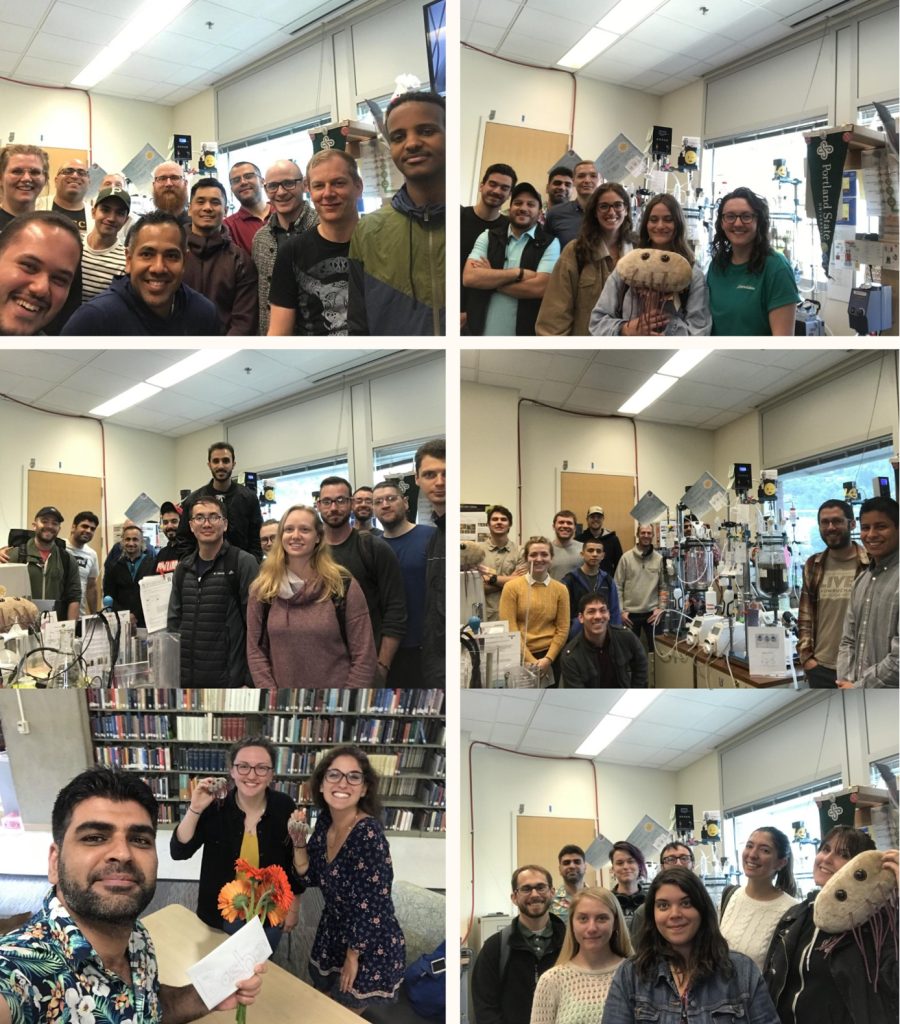
As a Graduate Teaching Assistant from 2016 to 2021, I cherished the deeply rewarding experience of serving as a role model and trusted friend to students, offering them guidance and academic support. Over this period, I had the invaluable opportunity to assist and instruct more than 500 graduate and undergraduate students across diverse courses, such as Fate & Transport in Toxics in Environment, Unit Operations-Environmental Engineering, Water Quality Modeling, and Hydraulic Engineering course and Lab.
Being an integral part of my student’s academic journey brought me immense joy as I witnessed their growth and progress firsthand. As a mentor, my primary focus was to inspire and empower each student, fostering a positive and enriching learning environment where they could excel academically and personally. Guiding them through intricate subjects and helping them grasp fundamental concepts was not just a job but a genuine passion that I wholeheartedly embraced.
Empowering Future Water Leaders: My Journey as a Mentor and Steering Committee Member in the Class of 2023 Water Leadership Institute (WLI) / Water Environment Federation (WEF)
Being a mentor and Steering Committee member for the Class of 2023 Water Leadership Institute (WLI) by the Water Environment Federation (WEF) has been an incredibly fulfilling and rewarding experience. As a mentor, I had the privilege of supporting and guiding emerging leaders in the water sector, helping them navigate their career paths and develop essential leadership skills.
Mentoring the participants of the WLI has been a transformative journey. I had the opportunity to share my knowledge and experiences, provide valuable insights, and encourage them to explore their potential as future water leaders. Witnessing their growth and witnessing the positive impact they can make on the water industry has been truly inspiring.
Simultaneously, serving on the Steering Committee of the WLI has been an enriching experience that allowed me to actively shape the program’s direction and curriculum. Collaborating with other committee members, we worked together to design workshops, organize events, and curate relevant content that addressed the pressing challenges and opportunities in the water sector.
As a Steering Committee member, I have had the opportunity to connect with like-minded professionals and experts from diverse backgrounds, broadening my own perspective on water management and sustainability. The dynamic discussions and exchange of ideas during committee meetings have been instrumental in expanding my knowledge and honing my leadership abilities.
Being a part of the WLI community has not only enhanced my understanding of water issues but also reinforced my commitment to making a positive impact in the field. The sense of camaraderie and support among the cohort has created a nurturing environment for personal and professional growth.
Overall, my experience as a mentor and Steering Committee member in the Class of 2023 Water Leadership Institute has been incredibly rewarding. It has deepened my passion for water management and environmental stewardship while providing me with invaluable connections and experiences that will undoubtedly shape my future endeavors in the water sector. I am grateful for the opportunity to contribute to the development of future water leaders and to be part of a community dedicated to advancing water resilience and sustainability.
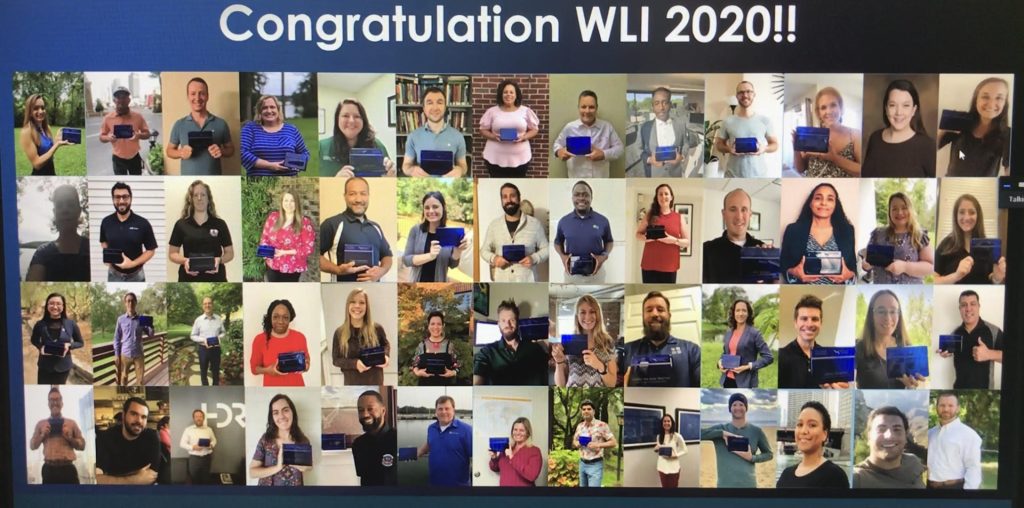
Becoming a Water Leader: My Journey as a Graduate of the Class of 2020 Water Leadership Institute (WLI) / Water Environment Federation (WEF)
As a participant in the Class of 2020 Water Leadership Institute (WLI) organized by the Water Environment Federation (WEF), I embarked on an inspiring journey that shaped my path as a water professional and leader. The program provided a transformative experience, equipping me with the knowledge, skills, and network necessary to drive positive change in the water industry. Throughout the institute, I had the privilege of learning from industry experts, engaging in thought-provoking discussions, and collaborating with like-minded peers from diverse backgrounds.
The WLI program emphasized a holistic approach to water management, addressing critical issues such as water quality, conservation, sustainability, and policy. As a graduate of the program, I gained a deeper understanding of the complexities and challenges faced by the water sector and the importance of integrated and innovative solutions.
One of the most valuable aspects of the WLI experience was the mentorship component. Having access to seasoned water professionals as mentors provided invaluable guidance and support throughout the program and beyond. Their insights and encouragement have been instrumental in shaping my professional growth and contributing to my personal development as a water leader.
Moreover, being part of the Class of 2020 Water Leadership Institute connected me to a vast network of professionals passionate about water. The camaraderie and collaboration among participants fostered a sense of community, creating a platform for continued learning and idea exchange even after the program’s conclusion.
As a graduate of the WLI, I now carry the responsibility of being an advocate for sustainable water practices and a catalyst for positive change within the industry. The knowledge and experiences gained during the program continue to empower me in my endeavors to create a more resilient and water-secure future for communities worldwide.
In conclusion, my journey as a participant in the Class of 2020 Water Leadership Institute has been an enriching and transformative experience. I am deeply grateful to WEF for providing this opportunity and for empowering a new generation of water leaders to make a lasting impact on the world’s most precious resource.
Industrial Wastewater: Activated Sludge, Microbiology, And Troubleshooting Workshop, Novozymes, Salem, Virginia, April 2017
Attending the seminar on practical troubleshooting and treatment practices for industrial wastewater facilities was a truly enriching and eye-opening experience. From the moment I stepped into the event venue, I could sense the energy and enthusiasm in the air as professionals from various backgrounds gathered to delve into the fascinating world of microbiology in wastewater treatment.
The content covered during the seminar was highly practical and relevant, providing real-world solutions to challenges faced in our industry. Learning about how analyzing biomass can offer valuable insights into identifying larger issues in wastewater treatment systems was particularly enlightening. The expert speakers shared their wealth of knowledge and experience, presenting case studies showcasing these practices’ applications in different settings.
One of the highlights of the seminar was the hands-on opportunity to have our plant’s sludge examined under a microscope by the experts. This personalized approach allowed me to better understand my plant’s specific challenges and opened doors for potential improvements.
The networking aspect of the seminar was equally rewarding. Interacting with like-minded professionals from diverse backgrounds allowed me to exchange ideas, learn from their experiences, and build lasting connections within the industrial wastewater treatment market. The discussions were engaging, and the camaraderie among participants fostered a sense of community.
Overall, the seminar provided a perfect blend of technical knowledge, practical applications, and networking opportunities. I left the event feeling inspired and armed with a newfound understanding of how to enhance our wastewater treatment processes. The insights gained during this seminar have undoubtedly been instrumental in driving improvements in our plant’s operations and will continue to benefit our organization in the long run.
I am grateful for the opportunity to have attended this seminar and extend my appreciation to the organizers and speakers for creating such a valuable learning experience. I look forward to implementing the lessons learned and staying connected with the network of professionals I met at the event.